
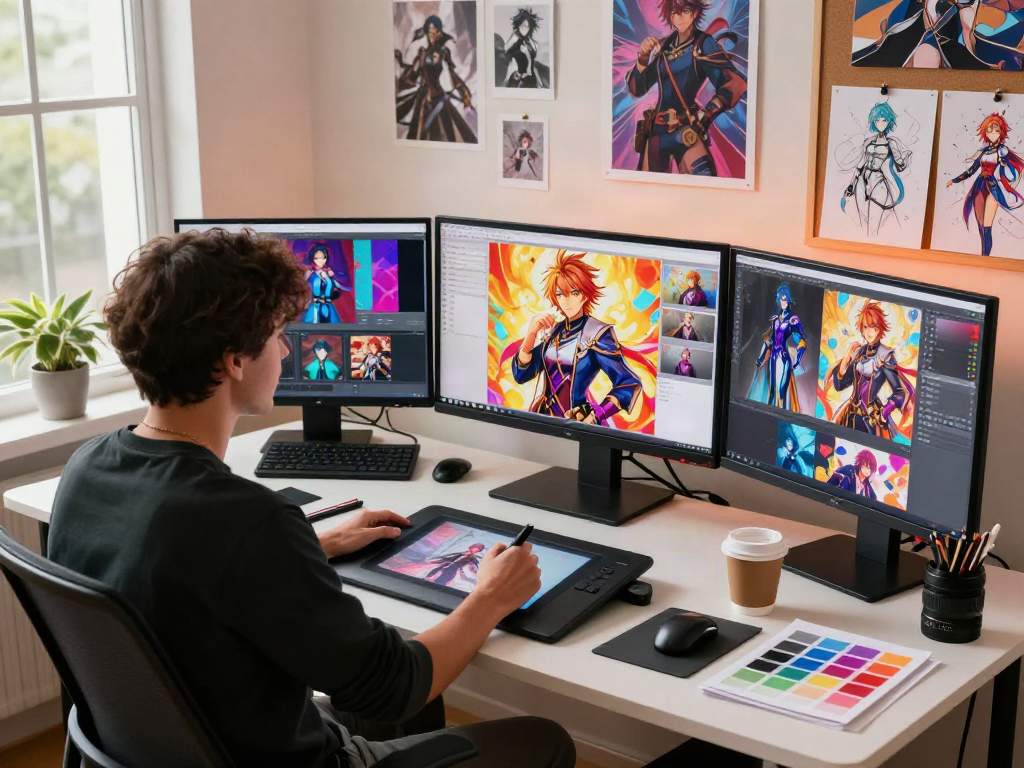
The Evolution of Hentai Games
Since their inception, hentai games have evolved from niche creations into prominent features within the gaming industry. This genre, which uniquely blends interactive storytelling with adult themes, has sparked considerable debate and interest. As cultural perceptions shift, the evolution of hentai games reflects broader societal trends, technological advancements, and changing consumer preferences. When exploring options, hentai game offerings illustrate this evolution clearly, showcasing the genre's depth and variety.
Historical Context and Trends
The origins of hentai games can be traced back to the early days of adult content in Japan, with visual novels serving as the precursor. In the late 1980s and early 1990s, developers began to explore this new landscape by combining sexual themes with narrative-driven gameplay. Titles like "Noa: The Mortal Fate" marked the beginning of adult video games, setting a precedent for future releases.
Throughout the 2000s, the genre saw a boom in popularity, driven by the rise of the internet and the accessibility of adult content online. Notable trends emerged, including the emergence of user-generated content and the advent of crowdfunding platforms, making it easier for indie developers to produce their own titles. The landscape began to diversify with the introduction of various sub-genres, appealing to a wider audience.
Current Market Dynamics and Audience Engagement
Presently, the hentai game market is thriving, characterized by a growing consumer base that values both gaming mechanics and adult content. Recent statistics indicate that the market has expanded to include players of all genders and ages, breaking traditional stereotypes. To engage this diverse audience, developers are focusing not just on explicit content but also on gameplay depth and character development.
Furthermore, platforms dedicated to adult games have emerged, offering a safe space for players to explore their interests. This has contributed to fostering a community that shares feedback, tips, and experiences, ultimately enhancing player engagement.
Technological Innovations Driving Change
Technological advancements are significantly influencing the evolution of hentai games. The rise of high-quality graphics, virtual reality (VR), and artificial intelligence (AI) has transformed how these games are developed and experienced. For instance, VR has opened up immersive experiences that allow players to engage with the game world in unprecedented ways, creating more intimate and personal interactions.
Additionally, AI technology is being utilized to create more dynamic and responsive gameplay, allowing characters to evolve and adapt to player choices, thereby enhancing storytelling. As technology continues to advance, the potential for innovation in hentai games remains vast, promising exciting developments in the near future.
Understanding the Target Audience
To successfully create and market hentai games, understanding the target audience is crucial. The gamer community shows a broad spectrum of preferences and motivations that drive engagement with hentai titles.
Demographics of Hentai Game Players
Contemporary studies indicate that the demographic landscape of hentai game players is both varied and expansive. A significant portion of the audience comprises young adults aged 18 to 35, though interest spans across different age groups. Notably, an increasing number of female gamers are entering the space, attracted both by the narrative depth and the vibrant art styles often found in these games.
Geographically, the audience is not limited to Japan; international players are increasingly accessing hentai games, leading to localized versions of popular titles and international gaming conventions dedicated to this genre.
Psychographics and Motivations Behind Engagement
Understanding the psychographics of players reveals insights into why they are drawn to hentai games. Many players are attracted to the genre for the escapism it offers, providing a safe space to explore fantasies that they may not feel comfortable discussing in real life. The intricate narratives and character arcs often provide emotional connections that enhance player investment.
Moreover, community engagement through forums and social media platforms allows players to share experiences, strategies, and feedback, further solidifying the genre's appeal. Hentai games, therefore, serve not only as entertainment but as a means of interpersonal connection and self-discovery.
Common Misconceptions About the Genre
Despite its growing acceptance, hentai games are often mischaracterized. Common misconceptions include the belief that these games solely focus on explicit content without substance. While adult themes are a core component, many successful titles emphasize narrative complexity, character development, and immersive gameplay.
Another misconception is that hentai games are exclusively for a male audience. The reality is that the community is increasingly diverse, encompassing a wide range of players with varying interests. As the market continues to evolve, these misconceptions are gradually being challenged and debunked.
Key Elements of Hentai Game Design
The intricate design of hentai games involves several critical components, each of which contributes to the overall experience and appeal of the genre.
Art Style and Character Development
The art style is one of the defining features of hentai games, often characterized by vibrant colors, anime-inspired aesthetics, and detailed character designs. This distinctive visual appeal draws players in and sets the tone for the narrative. Character development is equally essential, as complex personalities and relationships enhance player engagement and emotional investment.
Many games allow customization options, enabling players to create avatars that resonate with their preferences and fantasies, further enhancing the personal connection to the game.
Storytelling Techniques and Narrative Structure
Storytelling in hentai games ranges from light-hearted and comedic narratives to intricate plots with dramatic depth. Effective narrative structures often incorporate branching storylines, allowing players to make choices that influence the outcome. This level of interactivity ensures that players feel a sense of agency and involvement in the storyline.
The use of flashbacks, character backstories, and thematic elements related to love and desire often enrich the narrative experience, making it more compelling and relatable.
Gameplay Mechanics and User Experience
Gameplay mechanics in hentai games vary widely, from visual novels to RPGs and simulation games. The integration of puzzles, decision-making, and character interactions serves to keep players engaged. Importantly, user experience must be prioritized to ensure intuitive navigation, smooth gameplay, and responsive design.
Furthermore, optimizing mobile compatibility can expand the player base, catering to those who prefer gaming on the go.
Challenges in Hentai Game Production
Despite their popularity, the production of hentai games faces several challenges that developers must navigate to succeed in this competitive market.
Regulatory and Content Restrictions
One of the most significant challenges is adhering to regulatory and content restrictions, which vary by region. Developers must ensure that their games comply with local laws regarding adult content, which can affect distribution and marketing strategies. This necessitates careful consideration during the production process to avoid legal repercussions.
Additionally, the stigma surrounding adult content can lead to difficulties in obtaining funding or marketing support, posing further hurdles for aspiring developers.
Balancing Artistic Vision with Market Demand
Maintaining a balance between artistic vision and market demand poses another challenge. Developers are often torn between creating innovative and artistic projects and producing content that will sell well. This conflict can lead to compromises that may dilute the original vision of a game.
Furthermore, understanding the evolving preferences of the audience requires ongoing research and adaptation, making it necessary to stay ahead of trends in both gameplay and themes.
Technical Challenges in Game Development
Technical challenges are prevalent in the game development process, especially for indie developers who may lack extensive resources. These include issues related to software, graphics rendering, and multi-platform compatibility. Moreover, the need for high-quality animations and graphics can strain budgets and timelines.
To combat these challenges, developers are increasingly using game engines like Unity and Unreal Engine, which offer flexible tools and resources to facilitate the development process.
The Future of Hentai Games
Looking ahead, the future of hentai games appears vibrant and full of potential. The industry is poised for continued growth, driven by technological advancements and changing societal attitudes.
Emerging Trends and Innovations for 2026
Several emerging trends are shaping the future of hentai games. The integration of blockchain technology is one such example, enabling developers to create unique, tradable in-game assets, enhancing the value proposition for players. Additionally, VR and augmented reality (AR) are expected to gain traction, providing players with more immersive experiences.
Furthermore, the rise of cross-platform accessibility will allow for a more inclusive gaming environment, promoting broader engagement and community building.
Predictions for Market Growth and Audience Expansion
Market growth predictions indicate a bright future for hentai games, with expectations for increased revenue and a broader player base. As societal norms around adult content continue to evolve, more players are likely to seek out these games, leading to an expansion in demographics.
Moreover, as international markets open up and localization efforts increase, developers can tap into previously unexplored regions, leading to even greater diversification of the audience.
Potential Ethical Considerations and Discussions
As the genre grows, ethical considerations surrounding the content of hentai games will become increasingly important. Discussions around consent, representation, and the impact of adult content on players will necessitate thoughtful dialogue among developers and consumers alike.
Engaging with these issues responsibly will be crucial for maintaining the integrity of the genre and fostering a positive community atmosphere.
What Makes Hentai Games Unique Compared to Other Genres?
Hentai games are unique in that they combine elements of adult entertainment with interactive storytelling in ways that traditional games do not. This fusion of genres appeals to players seeking both profound narrative experiences and explicit content. Furthermore, the community aspect of hentai games fosters a space where players can discuss themes and explore shared interests, distinguishing this genre from other gaming experiences.
Strategies for Successful Marketing in the Genre
To successfully market hentai games, developers must leverage targeted marketing strategies that resonate with the audience. Utilizing social media platforms popular among adult content consumers can help build a following and foster community engagement. Additionally, collaborating with influencers who cater to the adult gaming audience can amplify reach and credibility.
Creating appealing trailers and showcasing gameplay on adult-centric streaming platforms can also attract attention, presenting the game in an engaging way that highlights its unique features.