Introduction to Smart Home Gadgets
In today’s fast-paced world, smart home gadgets have emerged as essential tools that simplify and enhance our daily lives. With the advancement of technology, these devices offer unparalleled convenience, efficiency, and security for homeowners. From controlling lighting and temperature to monitoring security systems, the integration of smart devices is transforming the way we interact with our living spaces. As we enter 2026, the smart home ecosystem continues to evolve, bringing new innovations that cater to our growing need for connectivity and automation. When exploring options, smart home gadgets provide comprehensive insights to help you make informed decisions.
What Are Smart Home Gadgets?
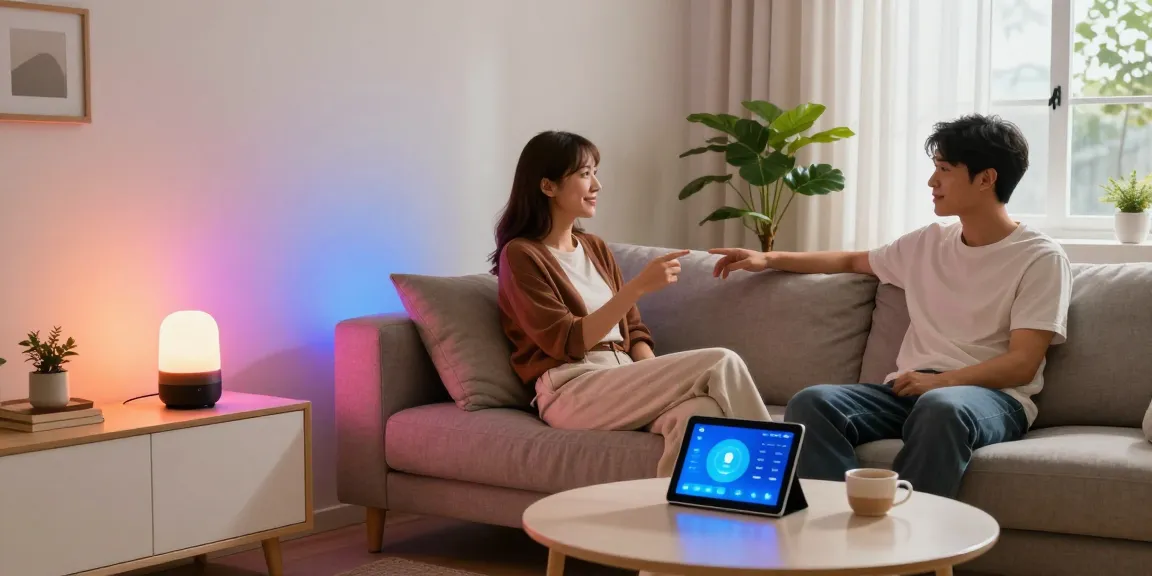
Smart home gadgets are devices that connect to a network, allowing for remote monitoring and control through smartphones, tablets, or voice assistants. They encompass a wide range of products, including smart speakers, thermostats, lighting solutions, security cameras, and much more. These devices utilize Wi-Fi, Bluetooth, or other protocols to communicate with one another, creating an interconnected system that enhances home automation. The goal is to improve energy efficiency, convenience, and security while providing users with greater control over their home environments.
Why Invest in Smart Home Technology?
Investing in smart home technology is not just about convenience; it also offers several advantages that contribute to a more efficient and secure lifestyle. Firstly, smart gadgets can significantly reduce energy consumption by allowing homeowners to schedule and automate energy usage. For example, smart thermostats can learn your preferences and adjust heating or cooling accordingly, resulting in lower energy bills. Additionally, enhanced security features, such as smart locks and cameras, offer peace of mind and the ability to monitor your home remotely. Furthermore, these devices can increase the overall value of your home, making it more appealing to potential buyers.
Key Trends in Smart Home Gadgets for 2026
As we look ahead, several trends are expected to shape the smart home landscape in 2026. One significant trend is the growing emphasis on interoperability among devices, with more manufacturers creating products that can seamlessly integrate with various platforms such as Amazon Alexa, Google Assistant, and Apple HomeKit. Additionally, advancements in AI and machine learning are enabling smarter automation routines, allowing devices to predict user preferences and behaviors. Sustainability is also becoming a focal point, with an increase in energy-efficient products and environmentally friendly smart solutions. Lastly, the rise of 5G technology will further enhance connectivity, leading to faster and more reliable performance for smart home gadgets.
Must-Have Smart Home Devices
Top Smart Home Lighting Solutions
Smart lighting has become a cornerstone of home automation, providing both functionality and ambiance. Devices like smart bulbs allow users to control brightness and color through voice commands or mobile apps. Popular options include Philips Hue and LIFX, which offer extensive customization features. Smart lighting can also be programmed to adjust automatically based on time of day or user presence, enhancing both security and energy efficiency.
The Best Smart Security Gadgets
Security is a top priority for homeowners, and smart security gadgets help ensure peace of mind. Products such as the Ring Video Doorbell and Arlo Pro security cameras enable real-time monitoring and notifications. These devices often incorporate motion detection and night vision capabilities, allowing users to keep an eye on their property from anywhere. Additionally, smart locks like the August Smart Lock provide keyless entry and access logs, further enhancing home security.
Innovative Smart Thermostats for Efficiency
Smart thermostats are essential for optimizing heating and cooling systems. Devices like the Nest Learning Thermostat and Ecobee SmartThermostat adjust temperature settings based on the user’s schedule and preferences. They learn over time, providing personalized comfort and significant energy savings. Some models even include features like remote sensors to ensure consistent temperature control throughout the home.
How to Set Up Your Smart Home
Choosing the Right Ecosystem: Amazon, Google, or Apple?
The first step in creating a smart home is selecting the right ecosystem that aligns with your needs. Amazon Alexa, Google Assistant, and Apple HomeKit each offer distinct advantages. For instance, Amazon Alexa is known for its compatibility with a wide range of devices and skills. Google Assistant excels in search capabilities and integration with Google services, while Apple HomeKit is ideal for users already invested in the Apple ecosystem. Assess your existing devices and preferences to determine which platform will work best for you.
Essential Considerations for Installation
When setting up your smart home, consider factors such as the layout of your home, the type of devices you want to install, and your internet connectivity. Make sure to place devices where they can easily connect to your Wi-Fi network. It is also essential to ensure that any security devices are strategically located to maximize their effectiveness. Follow manufacturer instructions closely during installation to avoid potential issues.
Integrating Multiple Devices for Seamless Control
For the best smart home experience, integrating multiple devices for seamless control is crucial. Use automation features within your chosen ecosystem to create routines that enhance convenience. For example, you can set your lights to turn on when your smart lock is engaged, or schedule your thermostat to adjust at specific times. With proper integration, you can create a fully automated environment that responds to your lifestyle.
Common Challenges and Solutions with Smart Home Gadgets
Dealing with Connectivity Issues
Connectivity issues are common hurdles when using smart home gadgets. To mitigate these problems, ensure your Wi-Fi coverage is strong throughout your home. Consider using Wi-Fi extenders or mesh networks to eliminate dead zones. Additionally, regularly update your devices’ firmware to enhance performance and security.
Understanding Compatibility Across Devices
Not all smart devices are compatible with one another, which can create frustration. Before purchasing new gadgets, check their compatibility with your existing ecosystem. Many manufacturers provide guides or compatibility lists to assist consumers. Opting for devices that support multiple ecosystems can also help ensure greater flexibility in your smart home setup.
Maintaining Security in Your Smart Home
As your home becomes smarter, maintaining security becomes paramount. Regularly update passwords for your smart devices and use two-factor authentication where available. It’s also wise to create a separate network for your smart devices to minimize risks. Regularly checking for software updates can help protect against vulnerabilities, ensuring your smart home remains secure.
The Future of Smart Home Technology
Upcoming Innovations to Watch For in 2026
The future of smart home technology promises exciting innovations that will further enhance user experiences. Expect advancements in voice recognition, enabling more natural interactions with devices. Moreover, the incorporation of health-monitoring features into smart home systems may redefine how we care for ourselves and our loved ones. Emerging technologies, such as smart appliances that can communicate with one another, will create even more possibilities for efficiency and automation.
How AI is Shaping the Smart Home Experience
Artificial intelligence is at the forefront of enhancing smart home technology. AI algorithms can analyze user data to provide personalized recommendations and automate routines based on behavior. For instance, AI can learn when you typically leave for work and adjust your thermostat and lighting accordingly. Such intelligent systems can significantly streamline daily activities and improve the overall user experience.
Predictions for Smart Home Adoption Rates
As technology advances and becomes more accessible, smart home adoption rates are expected to increase significantly in the coming years. Greater consumer awareness of the benefits of smart devices, coupled with decreasing prices, will contribute to widespread adoption. Predictions indicate that by 2026, a vast majority of homes will have at least one smart device, reflecting the growing integration of technology in our everyday lives.
What is a smart home gadget?
A smart home gadget refers to any device that connects to the internet and can be controlled remotely or programmed to operate autonomously. These devices enhance the functionality of a home through automation.
How do I convert my home into a smart home?
To convert your home into a smart home, start by selecting a central ecosystem (e.g., Amazon, Google, Apple), and then gradually invest in smart devices that meet your needs, such as lighting, security, and heating systems.
What cool things can smart homes do?
Smart homes can perform a myriad of functions, including automating lighting and temperature settings, monitoring security, controlling appliances remotely, and integrating with wearable devices to enhance convenience and efficiency.
What are the best smart home devices for beginners?
For beginners, essential smart home devices include smart bulbs, smart plugs, and basic security cameras. These are user-friendly and provide a solid foundation for expanding your smart home setup.
How do I maintain my smart home gadgets?
Maintaining your smart home gadgets involves regularly updating firmware, changing passwords, ensuring proper connectivity, and cleaning devices as necessary to ensure optimal performance and security.